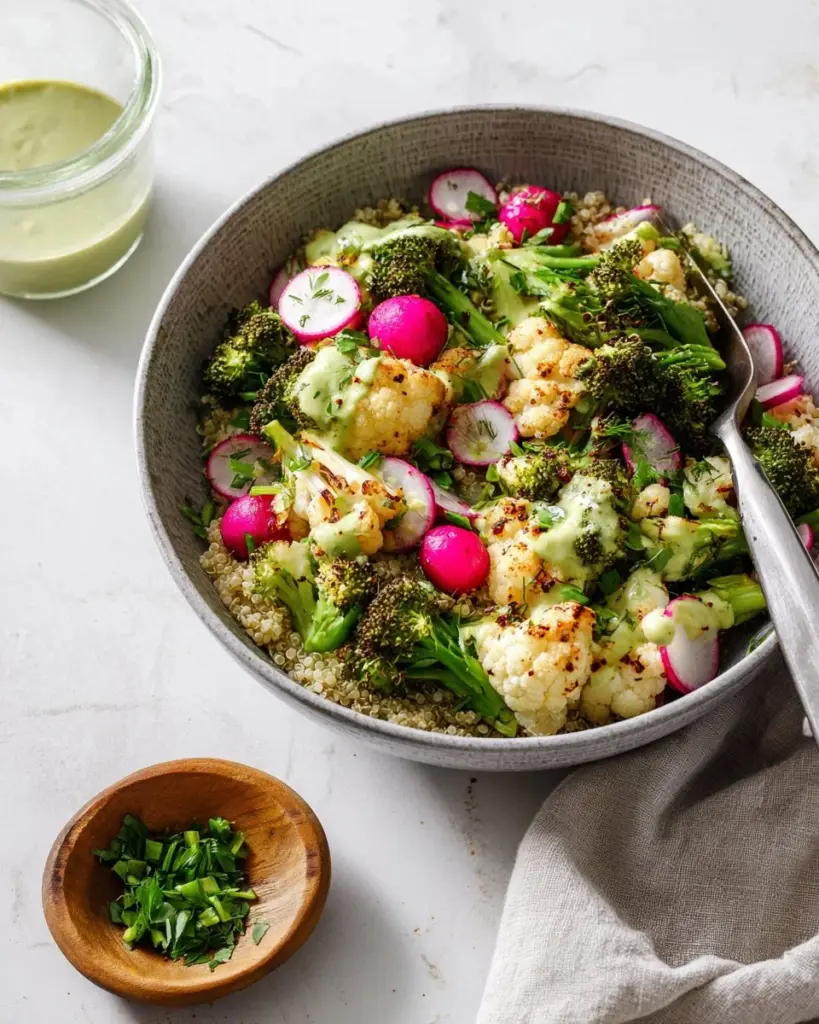
Vibrant Vegan Buddha Bowl with Zesty Lemon Tahini Sauce: A Nourishing Delight
Picture this: it’s a sunny Saturday afternoon, and the house is filled with laughter as my family gathers around the kitchen. I can smell the earthy aroma of roasted veggies wafting through the air. We’ve turned cooking into a cherished family ritual, and today, we’re whipping up my favorite—Vegan Buddha Bowl with Lemon Tahini Sauce. This isn’t just a dish; it’s a nostalgic embrace of warmth and comfort, combining vibrant colors and bold flavors that make every bite a celebration.
What makes this vegan buddha bowl special is not just its combination of fresh ingredients but the way it nourishes both body and soul. It’s a recipe that stands out from the rest with its wholesome ingredients, satisfying textures, and tantalizing lemon tahini sauce that dances on your taste buds. I remember the first time I served this to my loved ones; they were surprised at how fulfilling plant-based cooking could be!
In this post, I’ll guide you step-by-step to recreate this delightful dish yourself. You’ll discover the secrets of crafting the perfect zen bowl, from the roasted veggies to the creamy tahini sauce, leaving you with the confidence to make it your own. Let’s dive in!
What are Vegan Buddha Bowls with Lemon Tahini Sauce?
The concept of Buddha Bowls has roots in Asian cuisine, where colorful, nourishing meals are artistically arranged in a bowl, reflecting a balance of flavors, textures, and nutrients. The name evokes the image of a peaceful, well-rounded existence—one that we aim for with this delightful Vegan Buddha Bowl.
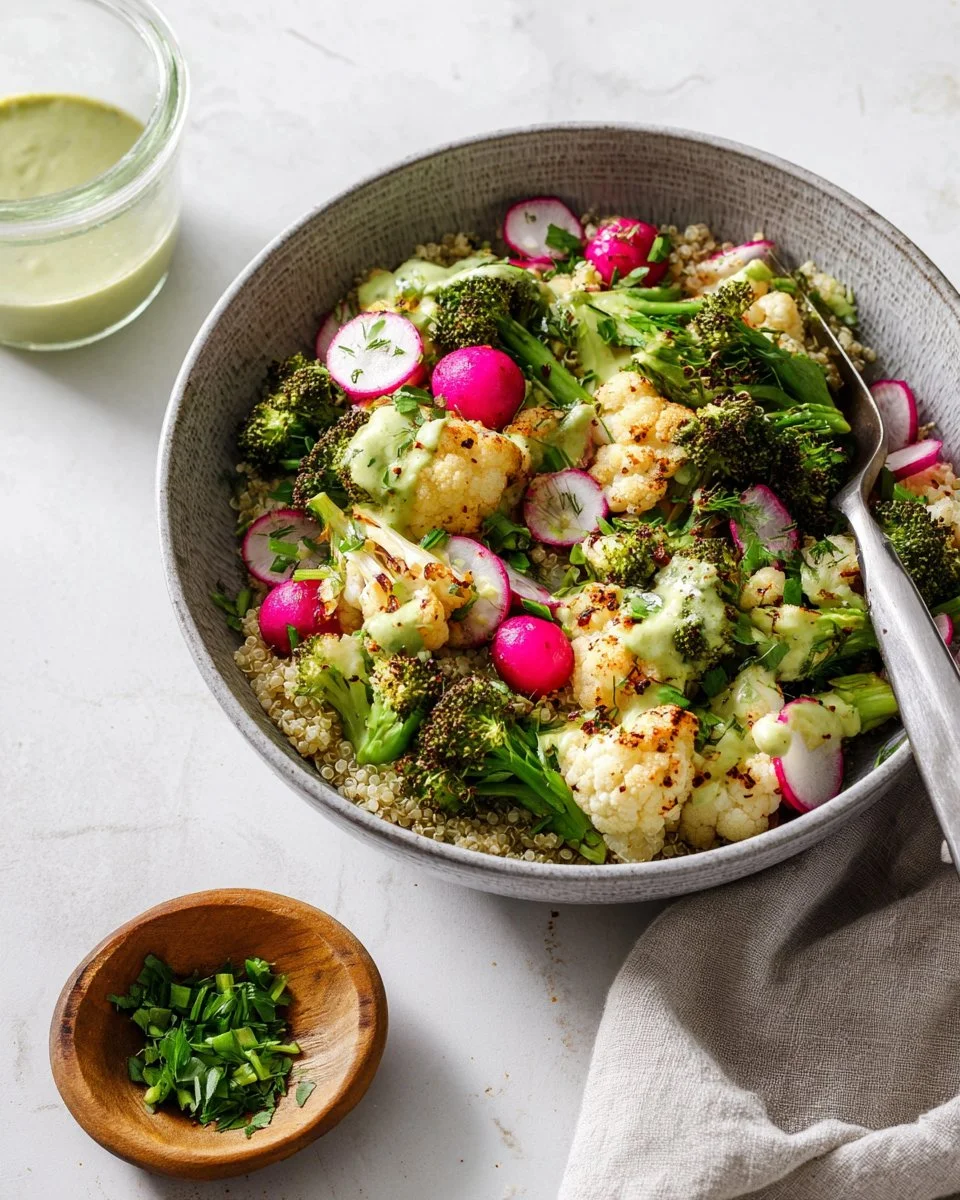
The combination of hearty roasted vegetables like broccoli and cauliflower, crunchy radishes, and protein-packed chickpeas creates a medley of textures that are just as pleasing to the palate as they are to the eye. Each element is roasted to perfection, caramelizing the veggies and enhancing their natural flavors. The vibrant Lemon Tahini Sauce adds a zesty finish, bringing everything together with its creamy, nutty goodness.
This dish is perfect for meal prep, an effortless weeknight dinner, or impressing guests at your next gathering. Whip it up any day of the week, and you’ll have a bowl full of wholesome goodness waiting for you.
Why You’ll Love This Recipe
Health-Boosting Goodness: This Vegan Buddha Bowl isn’t just beautiful; it’s packed with nutrients! The combination of chickpeas, quinoa, and assorted veggies provides a powerhouse of protein, fiber, and essential vitamins.
Cost-Effective & Easy to Prepare: Say goodbye to expensive takeout! You can easily create this nourishing bowl at a fraction of the cost and with ingredients you likely have on hand.
Endless Customization Options: Whether you’re a fan of sweet potatoes, bell peppers, or even roasted Brussels sprouts, this recipe is incredibly adaptable. Switch up the veggies based on your preferences or what’s in season!
A Time-Saver: With a total cook time of just about an hour, this recipe is perfect for busy weeknights. Roast your veggies while the quinoa cooks, making it a quick one-pot meal.
Elevates Your Dining Experience: Forget about store-bought bowls! This homemade version not only tastes better but will also earn you compliments for its stunning presentation.
By preparing this recipe at home, you get to avoid preservatives and additives often found in pre-packaged options. Plus, the satisfaction of creating something from scratch is unparalleled!
Ingredients
To make this Vegan Buddha Bowl with Lemon Tahini Sauce, you’ll need the following:
- 1 head of broccoli, cut into florets
- 1 head of cauliflower, cut into florets
- Large handful of radishes, halved or quartered
- 1 can (15 oz) of chickpeas, drained and rinsed
- 1 to 2 tablespoons of olive oil or sesame oil
- Generous sprinkle of garlic powder
- A pinch or two of salt
- 1 cup of dried quinoa
- 1 3/4 cups of water
- Chopped fresh parsley, to garnish
- 1/4 cup tahini
- 2 tablespoons of nutritional yeast (optional)
- Juice of 1 large lemon
- Mineral salt, to taste
- 2 to 4 tablespoons water for thinning the tahini dressing
Ingredient Notes and Quality Tips:
- Veggies: Opt for organic where possible for superior flavor and nutritional benefits.
- Chickpeas: I prefer using canned chickpeas for convenience, but dried ones are great if you plan ahead!
- Quinoa: Rinse your quinoa to remove its natural coating, which can impart a bitter taste.
- Tahini: Be sure to use high-quality tahini for the best flavor—look for ones made from pure sesame seeds.
- Nutritional Yeast: This adds a cheesy flavor and is a great source of B vitamins, but you can skip it if you prefer a simpler dressing.
Prep Notes:
- Ingredients like tahini and broth can separate; stir thoroughly before use.
- If you want to precede the flavor, try using roasted garlic powder instead of ordinary garlic powder.
Step-by-Step Instructions
Preheat your oven to 400°F (200°C). This ensures that your vegetables will roast evenly and develop that delicious caramelization.
Prepare the Veggies: In a large bowl, combine the chickpeas, broccoli, cauliflower, and radishes. Drizzle with your choice of olive oil or sesame oil, sprinkle garlic powder, and season with a pinch of salt. Mix thoroughly until everything is well-coated.
Roast the Vegetables: Spread the mixture onto a rimmed cookie sheet and roast for 30 to 35 minutes. Stir once halfway through for even roasting. Once they’re golden and tender, remove them from the oven.
Cook the Quinoa: In a medium pot, bring 1 3/4 cups water to a boil. Add the rinsed quinoa along with a dash of garlic powder and a pinch of salt. Cover, reduce the heat to low, and let it simmer for 15 minutes. Afterward, remove from heat and let it rest for 10 minutes. Fluff with a fork for that perfect light, airy texture.
Prepare the Tahini Dressing: In a small bowl, mix together the tahini, nutritional yeast, lemon juice, a pinch of salt, and a couple of tablespoons of water. Whisk until combined. Adjust the thickness with additional water, and tweak to your taste.
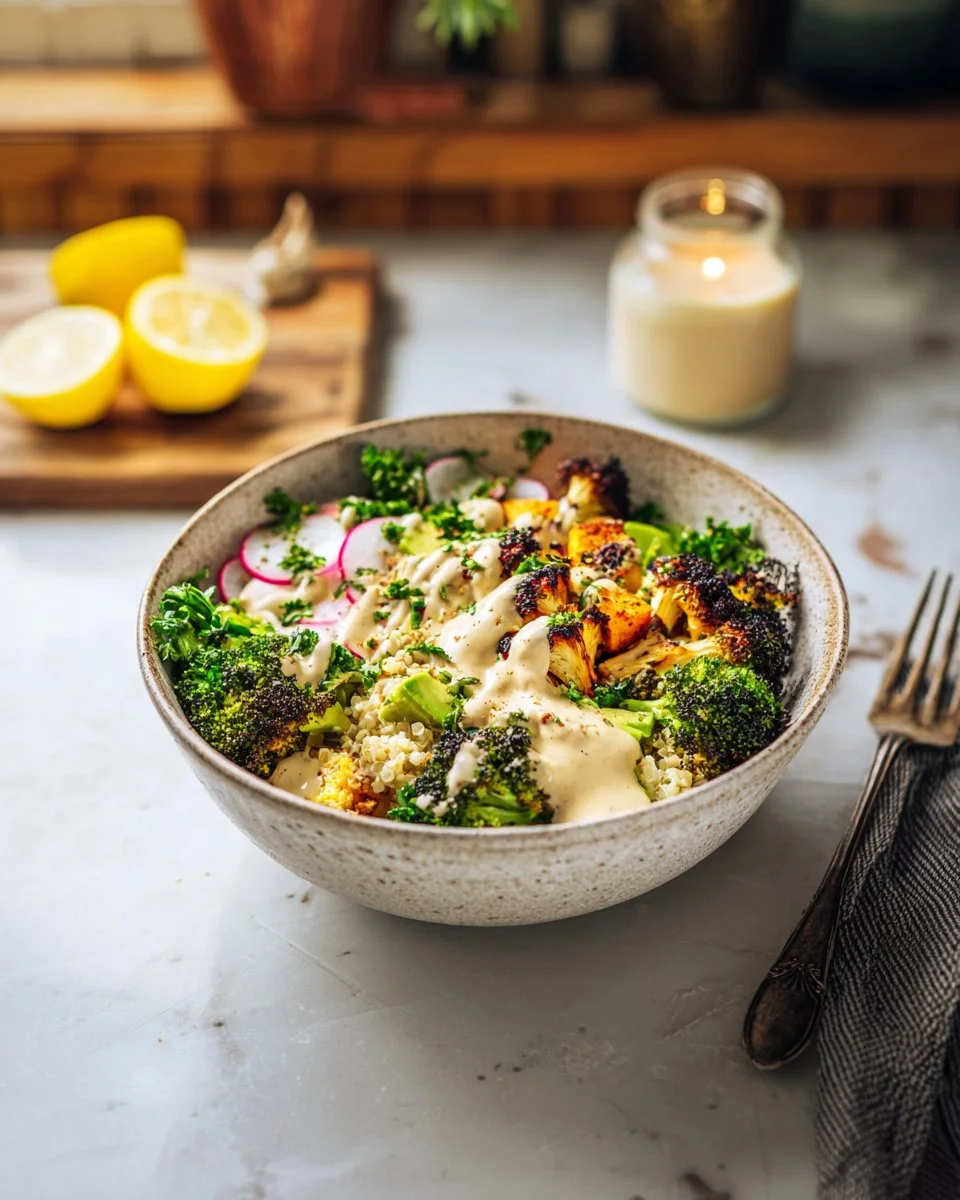
Assembly Time! In individual bowls, layer the fluffed quinoa first, then top with the roasted veggies. Drizzle the lemon tahini sauce over the top and sprinkle with chopped fresh parsley for a pop of color.
Chef’s Tips:
- Timing is Key: Keep an eye on your veggies; they should be tender and slightly crispy, but avoid burning.
- Visual Cues: The quinoa should be fluffy, and the water should be fully absorbed when done.
- Common Mistakes to Avoid: Don’t overcrowd your baking sheet, as it can lead to steaming instead of roasting.
Expert Tips & Tricks
Storage Recommendations: Store any leftovers in an airtight container in the fridge for up to 3 days. It can also be frozen for longer storage!
Make-Ahead Instructions: Roasting the vegetables and cooking the quinoa can be done ahead of time, making this dish perfect for meal prep.
Troubleshooting Common Issues:
- If the tahini sauce is too thick, add water gradually until it reaches your desired consistency.
- If your chickpeas aren’t crispy enough, increase roasting time slightly (just keep an eye on them!).
Fresh Herbs Over Dried: Use fresh parsley for garnish to elevate the flavor and visual appeal.
Experiment with Flavor: For a smoky twist, try adding smoked paprika to the veggies before roasting.
Serving Suggestions
This Vegan Buddha Bowl is hearty enough to stand alone, but you can elevate your dining experience with some delightful pairings. Serve it alongside warm pita bread, a simple green salad, or a refreshing cucumber yogurt dip (vegan yogurt works beautifully!). For a special occasion, add a glass of bright lemonade or herbal tea for a refreshing sip!
Presentation Ideas:
- Use a large shallow bowl to showcase the colorful layers.
- Arrange the veggies in a rainbow pattern for an appealing look.
- Crumble some toasted nuts on top for added texture.
Variations & Substitutions
Feeling adventurous? Here are a few variations to keep your Buddha Bowl exciting:
- Flavor Combinations: Replace the broccoli with asparagus or zucchini for a different veggie experience.
- Dietary Adaptations: The dish is naturally gluten-free, and you can easily make it nut-free by skipping tahini or using a sunseed butter.
- Seasonal Variations: Use roasted butternut squash in fall or fresh peas in spring to keep things seasonal and exciting!
Nutrition & Storage Info
- Prep Time: 15 minutes
- Cook Time: 35-40 minutes
- Total Time: Approximately 1 hour
- Yield: 4 servings
- Estimated Calories: Approximately 450 calories per serving
- Storage Instructions: Keep refrigerated in an airtight container for up to 3 days. You can freeze roasted veggies and cooked quinoa for up to 3 months.
FAQ Section
Can I use different grains instead of quinoa?
- Absolutely! Brown rice, farro, or even couscous would all make delightful substitutes.
Is it necessary to pre-soak the chickpeas?
- No need! Canned chickpeas are ready to use—just drain and rinse them.
How do I make this bowl spicier?
- Add a pinch of cayenne pepper or drizzle some hot sauce over the top before serving.
Can I add more protein?
- Yes! Consider adding tofu, tempeh, or even edamame for an extra protein boost.
What kind of tahini should I use?
- Look for pure, high-quality tahini made directly from ground sesame seeds for the best flavor.
Can I make the lemon tahini sauce in advance?
- Yes, the sauce can be made up to 3 days in advance. Just stir it well before using.
What’s the best way to reheat leftovers?
- Warm gently in a skillet or microwave, adding a splash of water to keep it moist.
Are there any nut-free alternatives to tahini?
- Sunflower seed butter or pumpkin seed butter can be great alternatives.
How can I make this suitable for a meal prep?
- Roast your veggies and cook quinoa ahead of time. Store each component in separate containers to keep flavors fresh.
What can I use if I don’t have nutritional yeast?
- You can omit it altogether or replace it with a sprinkle of grated vegan cheese if desired.
Conclusion
This Vegan Buddha Bowl with Lemon Tahini Sauce is more than just a meal—it’s a way to nourish your body and soul with every bite. The vibrant colors, rich flavors, and satisfying textures make it an unforgettable experience. I encourage you to give it a try; I’d love to hear how your family enjoys it!
Feel free to drop your feedback or comments, and don’t forget to check out more nourishing recipes on my blog for wholesome inspiration. Happy cooking!