Savory Sheet Pan Gochujang Bowls: A Flavorful Journey in One Pan
There’s something magical about a vibrant bowl of homemade food filling the kitchen with inviting aromas. Just the other night, as I was rushing back from a long day, I thought about what I could whip up for dinner—something hearty yet quick. That’s when the idea of Sheet Pan Gochujang Bowls struck me! This dish has become my go-to, especially when I need a pick-me-up during those busy weeknights.
These colorful bowls marry the smoky, spicy notes of gochujang with the earthy, wholesome taste of roasted vegetables and protein-packed tofu. The best part? They’re not just good; they evoke memories of family gatherings where laughter fills the air, and everyone digs in with a smile. Unlike takeout, this home-cooked delight doesn’t just satisfy your taste buds—it warms the soul.
In this post, I promise to guide you through everything you need to know to recreate these delicious bowls in your kitchen. Together, we’ll explore the recipe, share tips, and discuss the little tweaks that make these bowls truly unique. Let’s dive in!
What Are Sheet Pan Gochujang Bowls?
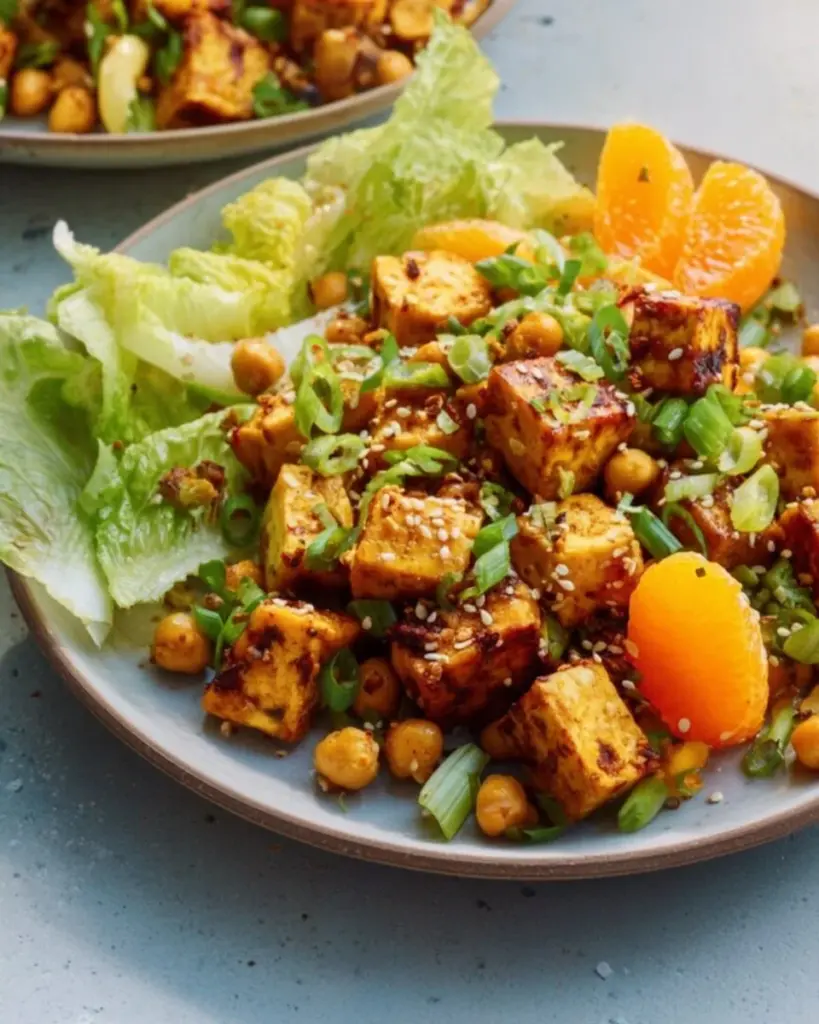
Sheet Pan Gochujang Bowls are a culinary hug that brings together the best of Korean flavors in a simple sheet pan format. Originating from Korean cuisine, gochujang—a rich, fermented chili paste—adds a depth of flavor rarely found in other recipes. The combination of crispy roasted veggies, chewy tofu, and that luscious gochujang sauce creates a delightful contrast of textures and tastes.
These bowls have a slightly spicy kick tempered by the umami richness of sesame oil and soy sauce, while the roasted vegetables lend a satisfying crunch. They are unique for their ability to be tailored to your taste and made in minimal time, making them perfect for meal prep or a quick weeknight dinner.
Whether it’s a chilly evening or a cozy gathering, these bowls are the perfect dish for nurturing the body and soul. You can throw in seasonal veggies and your favorite proteins, ensuring every bowl feels personalized and unique.
Why You’ll Love This Recipe
Easy to Make: From start to finish, you’ll spend about 40 minutes in the kitchen. That means you’ll have delicious, homemade meals without feeling like a short-order cook!
Budget-Friendly: When compared to takeaway, these bowls are a steal. Most ingredients are inexpensive and widely available, allowing you to whip up an impressive meal without breaking the bank.
Customization Galore: You can swap in seasonal vegetables, tweak the gochujang ratio for spice levels, or even add in your favorite proteins like tempeh or shrimp. It’s like having a new recipe every time!
Health Benefits: Packed with tofu, colorful veggies, and nutrient-rich chickpeas, each bowl is loaded with plant-based goodness. You’re not just filling your belly; you’re embracing a nutritious meal!
Make-Ahead Magic: The flavors deepen the longer they sit, so leftovers (if you have any!) taste even better the next day!
With all these delightful reasons to love this recipe, you won’t want to miss making these flavors come alive in your kitchen!
Ingredients
- 7 ounces firm or extra firm tofu (pressed for 15 minutes and then cubed)
- 1 cup cooked chickpeas
- 4 ounces mushrooms (white, baby portabella or cremini) (quartered)
- 2 cups cauliflower florets
- 1/2 cup chopped carrots
- 1/2 cup or more chopped zucchini
- 1 tablespoon soy sauce (use tamari for gluten-free or coconut aminos for soy-free)
- 1 tablespoon sesame oil
- 2 tablespoons gochujang paste
- 1 tablespoon gochugaru flakes
- 1 teaspoon garlic powder
- 1/2 teaspoon onion powder
- 1/2 teaspoon salt
- 1 tablespoon white vinegar (or rice vinegar)
- 1 tablespoon maple syrup
- 1-2 tablespoons water
- 1/2 teaspoon garlic powder (or 1 small clove of garlic, minced for an even fresher garlic punch)
- Sesame seeds (for garnish)
- Green onion (for garnish)
Ingredient Notes:
- Opt for high-quality, organic tofu and gochujang if possible; you’ll taste the difference!
- Fresh veggies add an unbeatable crispness. Feel free to substitute what’s in season or what you have on hand.
- The gochugaru gives an additional smoky heat; adjust to your preferences!
Step-by-Step Instructions
- Preheat Oven: Preheat your oven to 425°F (220°C). While it heats, you can prepare your ingredients.
- Bake the Tofu and Veggies: Spread the cubed tofu, chickpeas, mushrooms, cauliflower, carrots, and zucchini on a baking sheet. Drizzle with soy sauce and sesame oil, then sprinkle garlic powder, onion powder, salt, and gochugaru flakes evenly over everything. Toss until it’s all well coated. Bake for about 25-30 minutes or until crispy and golden.
- Chef’s Tip: Give the veggies a good shake halfway through to ensure even cooking.
- Meanwhile, Make the Dressing: In a small bowl, whisk together gochujang paste, vinegar, and maple syrup. Add water gradually until you reach your desired consistency (I like it slightly thick). Taste and adjust as needed!
- Common Mistake: Don’t skip the tasting! You want that balance of sweet, sour, and spicy.
- Assemble the Gochujang Bowls: Divide the roasted mix into bowls and drizzle generously with your gochujang dressing. Garnish with sesame seeds and chopped green onions.
- Serve & Enjoy: Dig in while hot! The aroma will have your family flocking to the kitchen.
Expert Tips & Tricks
- Storage Recommendations: Keep the roasted components and dressing separate in airtight containers. They’ll last in the fridge for up to four days.
- Make-Ahead Instructions: Roast the vegetables a day in advance and store them. When you’re ready to eat, reheat and combine with dressing!
- Troubleshooting: If your tofu doesn’t get crispy enough, try using a convection setting on your oven or broil for a minute at the end.
- Additional Flavor: For a unique twist, add a splash of lime juice to the dressing before serving.
Serving Suggestions
These bowls shine as they are, but for an extra boost, serve them alongside some fluffy white rice or quinoa for a grain powerhouse. You could also pair them with a crisp cucumber salad to cut through the spice, providing a refreshing contrast. Perfect for a casual weeknight meal or a gathering with friends!
Variations & Substitutions
- Flavor Combinations: Try adding in roasted bell peppers, sweet potatoes, or even broccoli for a different twist.
- Dietary Restrictions: For a gluten-free version, substitute soy sauce with tamari or coconut aminos. If you’re avoiding allergens, consider tempeh or even chickpea pasta.
- Seasonal Variations: Prepare this bowl with seasonal veggies. In winter, try root vegetables, while summer might call for bell peppers and corn!
Nutrition & Storage Info
- Prep time: 10 minutes
- Cook time: 30 minutes
- Total time: 40 minutes
- Yield: 3-4 servings
- Estimated calories per serving: 350 calories
Storage Instructions:
- Room temp: Best served hot; leftovers can be left at room temp for no more than 2 hours.
- Fridge: Store for up to 4 days.
- Freezer: Not recommended for freezing due to the texture of the tofu and veggies.
FAQ Section
1. Can I use frozen vegetables instead?
Absolutely! Just reduce the cooking time slightly, as frozen veggies usually need less time to roast.
2. Is gochujang spicy?
While gochujang has a kick, it’s more about depth of flavor. You can control the heat by adjusting the amount you use.
3. Can I replace the tofu?
Yes! Chicken, shrimp, or even more chickpeas can be used if preferred.
4. What else can I add to the bowls?
Feel free to add nuts, seeds, or other roasted vegetables like eggplant or asparagus.
5. How can I make this vegan?
The recipe is vegan as-is, but be sure to check that your gochujang doesn’t contain any added ingredients that aren’t vegan.
6. Can I prepare these bowls in advance?
Certainly! Roasting the veggies ahead of time will save you time during the week, just reheat and enjoy.
7. What if I don’t have gochugaru?
If you can’t find it, you can skip it or use any other chili flakes, but the flavor will differ somewhat.
8. Can I make this nut-free?
Yes! Use seeds instead of nuts in garnishes, and avoid any nut-based sauces.
9. How does this dish hold up as leftovers?
They hold up great! Just make sure to store the dressing separately to maintain textures.
10. What if I’m not a fan of tofu?
Substitute with tempeh, or try shredded chicken for a protein boost.
Conclusion
Creating Sheet Pan Gochujang Bowls is not just about nourishing your body; it’s about crafting memories and sharing delightful meals that bring everyone together. I encourage you to try this recipe and enjoy the delicious flavors and joyful moments it brings. If you do, leave a comment and let me know how your bowls turned out! And don’t forget to check out my other recipes for more culinary inspiration to fill your kitchen with love and warmth. Happy cooking!
Print
Savory Sheet Pan Gochujang Bowls
- Total Time: 40 minutes
- Yield: 4 servings 1x
- Diet: Vegan
Description
A flavorful fusion of Korean tastes, these colorful bowls combine roasted vegetables, tofu, and a spicy gochujang dressing for a satisfying meal.
Ingredients
- 7 ounces firm or extra firm tofu (pressed for 15 minutes and then cubed)
- 1 cup cooked chickpeas
- 4 ounces mushrooms (quartered)
- 2 cups cauliflower florets
- 1/2 cup chopped carrots
- 1/2 cup or more chopped zucchini
- 1 tablespoon soy sauce
- 1 tablespoon sesame oil
- 2 tablespoons gochujang paste
- 1 tablespoon gochugaru flakes
- 1 teaspoon garlic powder
- 1/2 teaspoon onion powder
- 1/2 teaspoon salt
- 1 tablespoon white vinegar (or rice vinegar)
- 1 tablespoon maple syrup
- 1–2 tablespoons water
- 1/2 teaspoon garlic powder (or 1 small clove of garlic, minced)
- Sesame seeds (for garnish)
- Green onion (for garnish)
Instructions
- Preheat your oven to 425°F (220°C).
- Spread the cubed tofu, chickpeas, mushrooms, cauliflower, carrots, and zucchini on a baking sheet.
- Drizzle with soy sauce and sesame oil, then sprinkle garlic powder, onion powder, salt, and gochugaru flakes evenly over everything. Toss until well coated.
- Bake for about 25-30 minutes or until crispy and golden, giving the veggies a shake halfway through.
- In a small bowl, whisk together gochujang paste, vinegar, and maple syrup. Add water gradually until desired consistency is achieved.
- Divide the roasted mix into bowls and drizzle generously with the gochujang dressing.
- Garnish with sesame seeds and chopped green onions. Serve hot and enjoy!
Notes
Store roasted components and dressing separately in the fridge for up to four days.
- Prep Time: 10 minutes
- Cook Time: 30 minutes
- Category: Main Course
- Method: Baking
- Cuisine: Korean
Nutrition
- Serving Size: 1 serving
- Calories: 350
- Sugar: 6g
- Sodium: 500mg
- Fat: 12g
- Saturated Fat: 2g
- Unsaturated Fat: 8g
- Trans Fat: 0g
- Carbohydrates: 45g
- Fiber: 10g
- Protein: 15g
- Cholesterol: 0mg
Keywords: Sheet Pan, Gochujang, Vegan, Korean, Quick Meal, Healthy Dinner, Tofu, Roasted Vegetables