Sizzling Sheet Pan Gochujang Bowl: A Flavor Explosion on a Single Tray
There’s something undeniably comforting about the fusion of flavors and textures in a bowl of food that you can just toss together and pop in the oven. I still remember the first time I tried a Gochujang Bowl at a cozy little restaurant down the street. The moment that spicy, slightly sweet sauce hit my taste buds, I was hooked! Inspired by that experience, I set out to create my own version: the Sheet Pan Gochujang Bowl. It’s not just about the incredible taste; it’s about the memories these dishes evoke.
Growing up, my family made a big deal out of shared meals, often experimenting with different sauces and spices to discover new favorites. That’s why this dish stands out to me—it brings that nostalgic warming feeling back while being decidedly modern and easy to prepare.
In this recipe, I’ll show you how to create your own Sheet Pan Gochujang Bowl packed with roasted vegetables and tofu, layered with the rich, umami-packed Gochujang sauce that’ll make your taste buds dance with delight. You’ll learn how to combine quality ingredients, letting the flavors develop while keeping it effortless for busy weeknights or a relaxed weekend feast. Get ready to impress your family with a dish that screams flavor while being incredibly simple to make!
What Are Sheet Pan Gochujang Bowls?
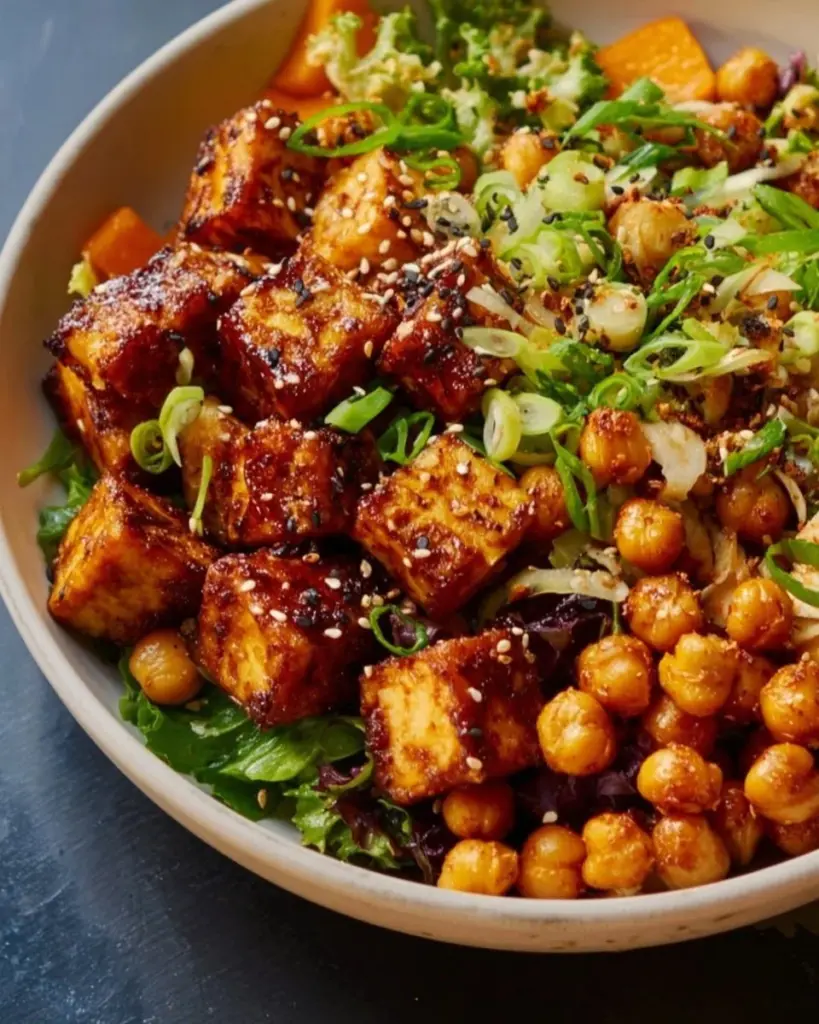
Originally rooted in Korean cuisine, Gochujang is a fermented chili paste that packs a punch with its rich flavor profile of sweet, spicy, and umami notes. When tossed with hearty vegetables and protein, it creates a dish that’s truly one-of-a-kind. Each bite of the Sheet Pan Gochujang Bowl offers a delightful contrast between the crispy tofu and the tender, caramelized veggies—a perfect culinary marriage!
These bowls are unique because they’re completely customizable. You can swap in your favorite seasonal vegetables or use whatever’s lying around in your fridge. The robustness of the Gochujang sauce elevates everything it touches, making it a perfect dish for experimenting with different flavors. The best part? You can prep it quickly and allow it to roast in the oven while you unwind.
Why You’ll Love This Recipe
One-Tray Wonder: No one enjoys doing dishes, and these Gochujang Bowls keep cleanup to a minimum. Everything cooks together on one sheet pan, making it a breeze to serve and clean up afterward.
Customizable Goodness: The beauty of a Sheet Pan Gochujang Bowl lies in its versatility. You can use a wide range of vegetables based on what’s in season or what your family loves most. Prefer broccoli over cauliflower? Go for it! Feeling adventurous? Toss in some eggplant or sweet potatoes!
Budget-Friendly: Using simple, plant-based ingredients like tofu, chickpeas, and seasonal veggies keeps the cost low—way less than what you’d pay at a trendy café or restaurant!
Healthy & Satisfying: This recipe is packed with protein from the tofu and chickpeas, along with vitamins from the array of colorful vegetables. Plus, the gochujang adds depth to your meal, ensuring you feel full without feeling heavy.
Perfect for Meal Prep: These bowls hold up wonderfully in the fridge—making them ideal for leftovers or meal prep for the week ahead. Just reheat, and you’re good to go!
Ingredients Section
To whip up these delicious Sheet Pan Gochujang Bowls, you will need the following ingredients:
- 7 ounces firm or extra firm tofu (pressed for 15 minutes and then cubed; I love using TofuXpress for the best results)
- 1 cup cooked chickpeas (canned works fine, but take the time to rinse them for better texture)
- 4 ounces mushrooms (white, baby portabella, or cremini, quartered; I personally prefer cremini for their rich flavor)
- 2 cups cauliflower florets
- 1/2 cup chopped carrots
- 1/2 cup or more chopped zucchini
- 1 tablespoon soy sauce (or tamari for gluten-free, coconut aminos for soy-free)
- 1 tablespoon sesame oil (don’t skimp on quality here; Kadoya is my go-to brand)
- 2 tablespoons gochujang paste (the star of the show—try to find a deep-red version for optimum flavor)
- 1 tablespoon gochugaru flakes (adds a smoky touch)
- 1 teaspoon garlic powder (or more if you’re a garlic lover like me!)
- 1/2 teaspoon onion powder
- 1/2 teaspoon salt
- 1 tablespoon white vinegar (or rice vinegar—Marukan is a solid choice)
- 1 tablespoon maple syrup (for a touch of sweetness; I always use Grade A maple syrup)
- 1-2 tablespoons water (to thin your dressing as needed)
- 1/2 teaspoon fresh minced garlic (or garlic powder if you’re short on time)
- Sesame seeds and green onions for garnish
Ingredient Notes:
- Press your tofu well to remove moisture and achieve that perfect crispy texture.
- Adjust spice levels according to your preference—add more gochujang for heat!
- Seasonal veggies can be swapped in or out depending on availability.
Step-by-Step Instructions
Step 1: Bake the Tofu and Veggies
Preheat the oven to 425°F (220°C). This high heat will give you that beautiful caramelization on the veggies.
On a large baking sheet, spread the cubed tofu, chickpeas, mushrooms, cauliflower, carrots, and zucchini. Drizzle with soy sauce and sesame oil. Toss well to ensure everything is coated evenly.
Chef’s Tip: Line your sheet with parchment paper for easier cleanup and help prevent sticking!
Roast in the oven for 25-30 minutes, stirring halfway through until everything is golden brown and crisp.
Step 2: Meanwhile, Make the Dressing
In a small bowl, whisk together gochujang, gochugaru, garlic powder, onion powder, salt, white vinegar, maple syrup, and water. Adjust the consistency and seasoning to your liking.
Chef’s Tip: Let the sauce sit for a few minutes to meld the flavors together!
Step 3: Assemble the Gochujang Bowls
Once the tofu and veggies are ready, take them out of the oven and let them cool slightly.
In a large bowl or individual serving bowls, layer the roasted goodness and drizzle generously with your Gochujang dressing. Top with sesame seeds and sliced green onions.
Chef’s Tip: For extra flavor, add a squeeze of lime or a handful of fresh herbs to brighten everything up!
Expert Tips & Tricks
Ingredient Quality is Key: Always opt for fresh, seasonal veggies and high-quality sauces. They make a significant difference.
Storage Recommendations: The bowls can be stored in an airtight container in the fridge for 3-4 days. I recommend keeping the dressing separate until ready to eat for optimal freshness.
Make-Ahead Instructions: Prep the veggies and tofu the night before, store, and roast fresh when you’re ready to eat!
Troubleshooting Common Problems: If your veggies aren’t roasting evenly, try cutting them into uniform sizes. This helps with cooking times.
Reheating Tips: When reheating in the microwave, add a splash of water to retain moisture to prevent everything from getting dried out.
Serving Suggestions
These Sheet Pan Gochujang Bowls can stand alone as a vibrant meal, but they can also be paired beautifully with a few extras:
- Serve with brown rice or quinoa to add another touch of heartiness.
- Add a side salad dressed with sesame vinaigrette for a refreshing crunch.
- Enjoy with pickled vegetables for a tangy contrast.
- Keep your presentation vibrant: think colorful bowls and garnishing that catches the eye.
Variations & Substitutions
- Flavors: Try different sauces! A spicy peanut sauce or sweet chili sauce works well if you want a twist.
- Dietary Restrictions: Make this dish vegan-friendly by using plant-based sauces. Substitute chickpeas with lentils for a protein-packed option.
- Seasonal: Swap out veggies seasonally—think asparagus in spring or butternut squash in fall.
Nutrition & Storage Info
- Prep Time: 15 minutes
- Cook Time: 30 minutes
- Total Time: 45 minutes
- Yield: 4 servings
- Estimated Calories per Serving: 350 calories
- Storage Instructions: Store in an airtight container in the fridge for up to 4 days or freeze cooked servings for up to 2 months.
FAQ Section
Can I use frozen vegetables?
Yes, but fresh vegetables will provide a better texture!Can I make this gluten-free?
Absolutely! Just use tamari instead of regular soy sauce.Is Gochujang very spicy?
It has a moderate heat level. Feel free to adjust based on your preference.What can I substitute for tofu?
Firm tempeh or seitan work well as great protein alternatives.How can I make this dish even more filling?
Adding some grains like rice or quinoa on the bottom of the bowl makes for a satisfying meal.Can I use other beans besides chickpeas?
Yes! Black beans or kidney beans would work.Can I meal prep this?
Yes! Just store the components separately to keep everything fresh.What if I can’t find gochujang?
Look for it in Asian grocery stores or online. You could also make a substitute with miso paste and chili powder, although the flavor will be different.Can these ingredients be grilled?
Definitely! Grilling will add a delightful smoky flavor.Can I eat this bowl cold?
Yes! It’s delicious cold too, great for meal prep lunches!
Conclusion
The Sheet Pan Gochujang Bowl is more than just a meal; it’s a celebration of flavor, comfort, and creativity in the kitchen. I encourage you to give this recipe a try and adapt it to your liking! Once you experience the delightful combination of roasted veggies and that irresistible Gochujang sauce, you’ll understand why it’s become a staple in my home.
I’d love to hear your thoughts! Please share your experiences or variations in the comments below. And don’t forget to check out other recipes on my blog that celebrate simplicity and bold flavors! Happy cooking!
Print
Sizzling Sheet Pan Gochujang Bowl
- Total Time: 45 minutes
- Yield: 4 servings 1x
- Diet: Vegan
Description
A delicious and comforting sheet pan meal featuring roasted vegetables and tofu, tossed in a spicy, flavorful Gochujang sauce.
Ingredients
- 7 ounces firm or extra firm tofu, pressed and cubed
- 1 cup cooked chickpeas
- 4 ounces mushrooms, quartered
- 2 cups cauliflower florets
- 1/2 cup chopped carrots
- 1/2 cup chopped zucchini
- 1 tablespoon soy sauce
- 1 tablespoon sesame oil
- 2 tablespoons gochujang paste
- 1 tablespoon gochugaru flakes
- 1 teaspoon garlic powder
- 1/2 teaspoon onion powder
- 1/2 teaspoon salt
- 1 tablespoon white vinegar
- 1 tablespoon maple syrup
- 1–2 tablespoons water
- 1/2 teaspoon fresh minced garlic
- Sesame seeds and green onions for garnish
Instructions
- Preheat the oven to 425°F (220°C).
- On a large baking sheet, spread the cubed tofu, chickpeas, mushrooms, cauliflower, carrots, and zucchini. Drizzle with soy sauce and sesame oil. Toss well.
- Roast in the oven for 25-30 minutes, stirring halfway through until golden brown.
- In a small bowl, whisk together gochujang, gochugaru, garlic powder, onion powder, salt, white vinegar, maple syrup, and water to make the dressing.
- Once the tofu and veggies are ready, layer them in bowls and drizzle with the Gochujang dressing. Top with sesame seeds and sliced green onions.
Notes
Store leftovers in an airtight container in the fridge for up to 4 days. Keep the dressing separate until ready to eat.
- Prep Time: 15 minutes
- Cook Time: 30 minutes
- Category: Main Course
- Method: Baking
- Cuisine: Korean
Nutrition
- Serving Size: 1 serving
- Calories: 350
- Sugar: 5g
- Sodium: 400mg
- Fat: 12g
- Saturated Fat: 1g
- Unsaturated Fat: 9g
- Trans Fat: 0g
- Carbohydrates: 45g
- Fiber: 10g
- Protein: 15g
- Cholesterol: 0mg
Keywords: Gochujang Bowl, Vegan Meal, Tofu Recipe, Roasted Vegetables, One-Pan Meal