Ultimate Korean Beef Bibimbap Bowl: A Heartwarming and Flavor-Packed Delight!
Growing up in a household that loved cooking, I often found myself eagerly awaiting my mother’s dinners. One dish that always left me feeling warm and cozy was her Korean Beef Bibimbap Bowl. The vibrant colors, the delightful mix of textures, and the incredible aroma wafting through the kitchen made every meal feel like a special occasion. As I got older, I realized that this dish wasn’t just comfort food; it was a canvas for creativity, especially when it came to customization.
What sets this recipe apart from all the others out there is the way it embraces both tradition and personal flair. You can adapt it to suit your family’s tastes or add a twist based on what’s in your fridge. My version of the Korean Beef Bibimbap Bowl is not only simple to make but offers a perfect blend of tender beef, crisp veggies, and rich flavors that I promise will tantalize your taste buds.
In this post, I’ll guide you through creating your own Korean Beef Bibimbap Bowl, ensuring that each bite evokes those cherished family memories. Let’s dive into this delicious journey together!
What Are Korean Beef Bibimbap Bowls?
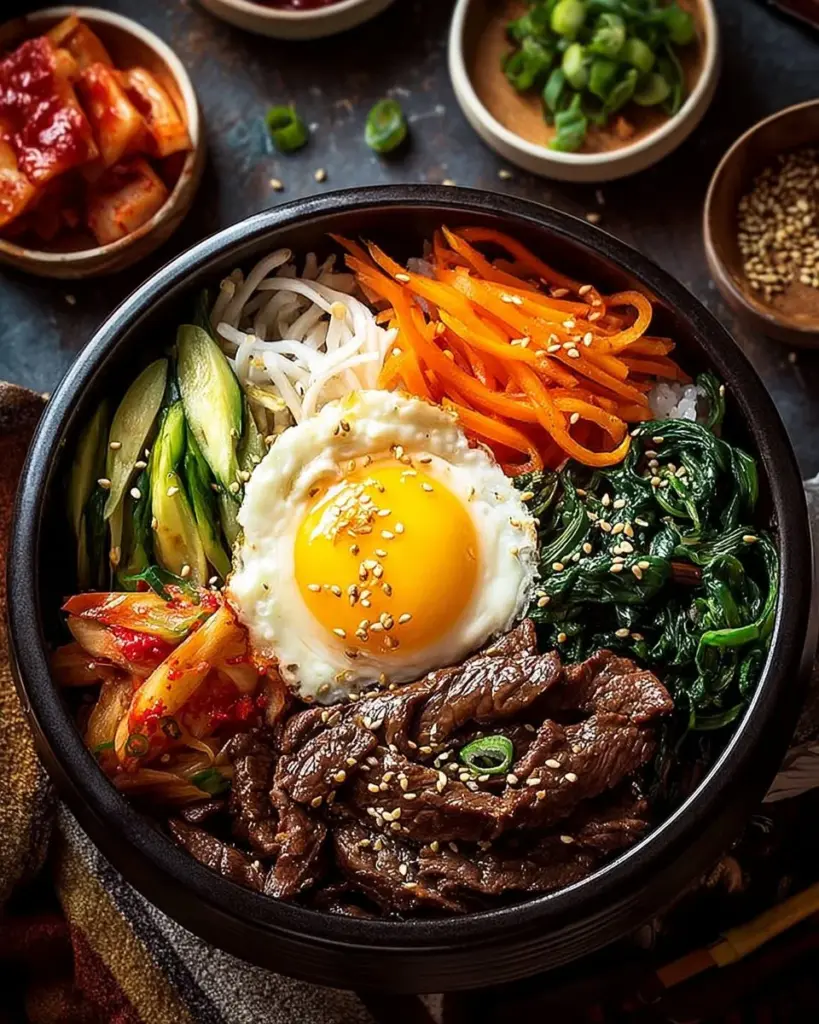
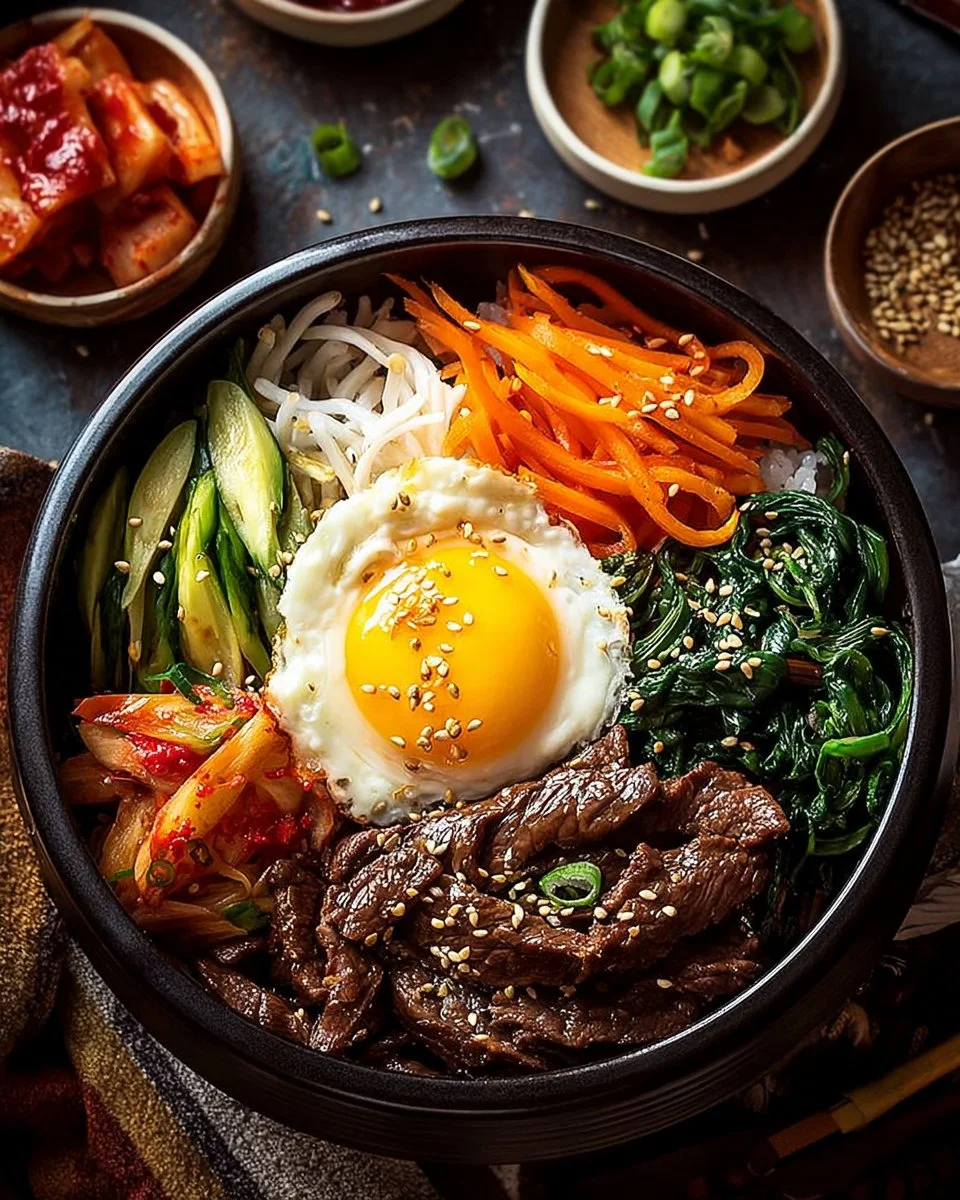
Korean Bibimbap is a traditional mixed rice dish that hails from Korea, where the name literally means "mixed rice." Originating in the royal courts, it has evolved to become a beloved comfort food across the country. The dish typically includes rice topped with a variety of sautéed vegetables, seasoned beef, and a sunny-side-up egg, all drizzled with spicy gochujang sauce, creating a symphony of flavors and textures that dance on your palate.
The taste and texture of a Korean Beef Bibimbap Bowl are what truly make it stand out. You have the juicy, savory beef, crunchy vegetables, soft rice, and the rich creaminess of the egg yolk melting into the mix. It’s an explosion of flavor in every bite! Whether you’re hosting a casual family dinner or throwing a festive gathering, these bowls are perfect for bringing people together.
Trust me, once you make your own Korean Beef Bibimbap Bowl, you’ll understand why this dish has been loved for generations!
Why You’ll Love This Recipe
1. Home-Cooked Goodness
Say goodbye to store-bought options that often lack flavor and freshness. My Korean Beef Bibimbap Bowl brings the authentic taste of Korean cuisine right into your kitchen. You’ll love the sense of pride that comes with making this mouthwatering dish from scratch!
2. Cost-Effective Delight
Eating out can become expensive, especially when dining at Korean restaurants. My version is budget-friendly, allowing you to feed your family without breaking the bank. With just a few simple ingredients, you can whip up a delicious meal that tastes restaurant-quality.
3. Endless Customization
What I love most is the ability to customize this dish! Feel free to use whatever vegetables you have on hand or adjust the spice level to suit your taste. Want it vegetarian? Swap the beef for marinated tofu!
4. Easy to Make
Despite its gourmet appearance, this recipe is surprisingly straightforward! It requires simple steps and common ingredients, perfect for cooks of any skill level.
5. Perfect for Meal Prep
These bowls are excellent for meal prepping! You can easily divide the components and store them in the fridge, making it hassle-free to enjoy this nourishing dish throughout the week.
Ingredients
Here’s what you’ll need to make your own Korean Beef Bibimbap Bowl:
Main Ingredients:
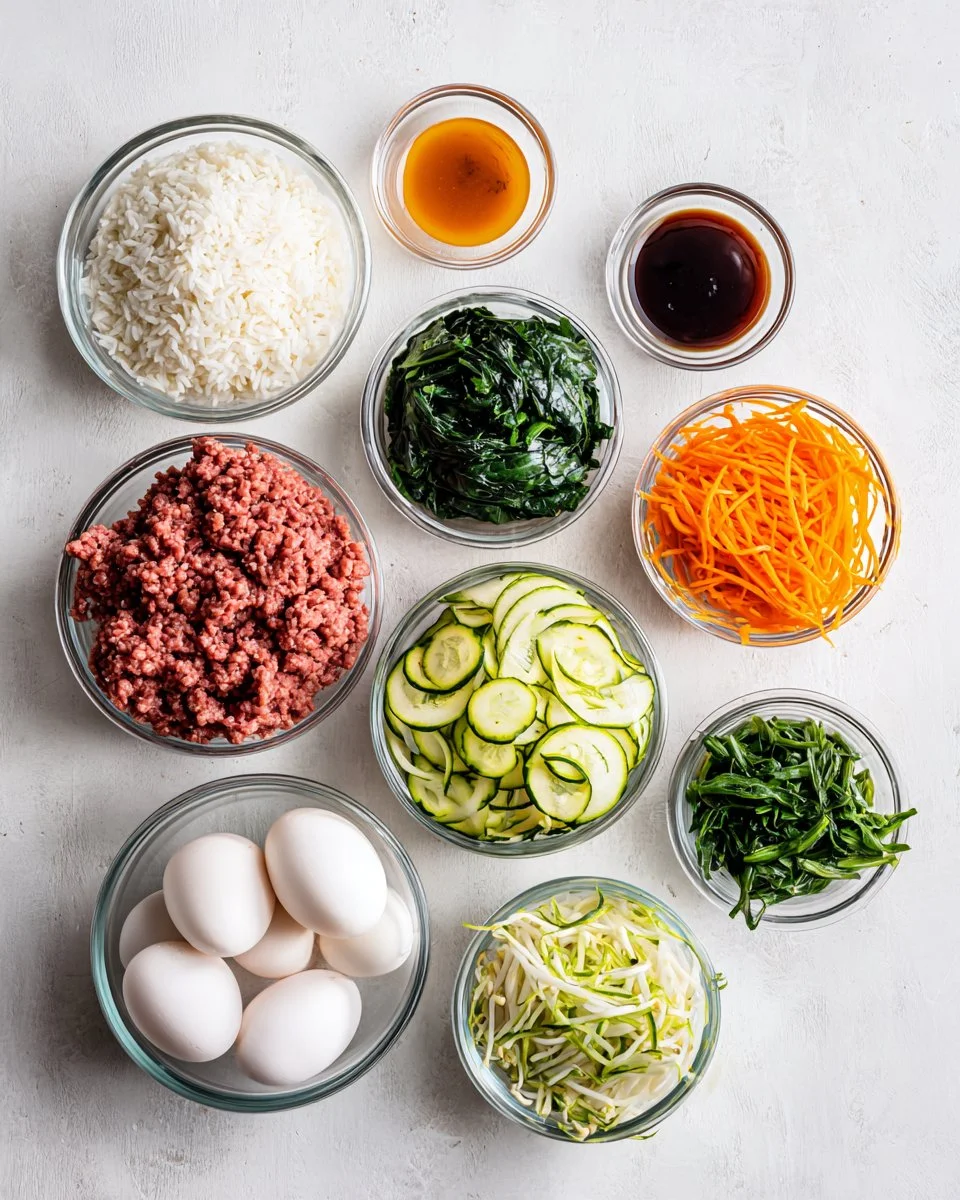
- 1 lb lean ground beef: Opt for grass-fed if possible; it has better flavor and is healthier.
- 2 cups short-grain white rice (cooked): Sushi rice or jasmine rice works well too.
- 1 cup carrots (julienned): Freshly sliced for the best crunch.
- 1 cup spinach (fresh): Use baby spinach for a softer texture.
- 1 cup zucchini (sliced): Choose bright green zucchini for color.
- 1 cup bean sprouts: Fresh sprouts give a pleasant crunch.
- 3 tbsp gochujang sauce: Adjust for spice level; go for mild or spicy, depending on preference.
- 1 tbsp sesame oil: A little goes a long way; it adds a delicious nutty flavor.
- 2 tbsp low-sodium soy sauce: For extra umami flavor.
- 4 eggs: Fresh and large; I recommend using organic for the best taste.
Notes on Ingredient Quality/Substitutions:
If you’re looking for a healthier alternative, you can use ground turkey or chicken instead of beef. For a vegetarian option, marinated tofu or tempeh would be delightful.
Prep Notes:
Make sure to bring all refrigerated ingredients like the eggs or sauce to room temperature before cooking to enhance their flavors.
Brand Recommendations:
I personally love using Kikkoman soy sauce and Han Mirin for added depth in flavors. For gochujang, the Haechandle brand is tried and true!
Step-by-Step Instructions
Let’s get cooking! Follow these steps carefully for a delicious Korean Beef Bibimbap Bowl:
Step 1: Cook the Rice
Cook the rice according to package instructions; set aside. This step is crucial since short-grain rice holds moisture, creating a perfect base for your dish.
Step 2: Brown the Beef
In a skillet, brown the ground beef over medium-high heat for about 5-7 minutes, draining excess fat. Make sure to crumble the beef into small pieces for even cooking.
Step 3: Add Flavor
Stir in gochujang, soy sauce, and sesame oil; simmer on low for 5 minutes. You’ll start to smell that delicious savory aroma filling your kitchen!
Step 4: Sauté Vegetables
In a separate pan, sauté vegetables in sesame oil over medium heat until tender-crisp (about 7 minutes). Don’t forget to season them with a pinch of salt to enhance their natural flavor!
Step 5: Fry the Eggs
Fry eggs sunny-side up until the whites are set but yolks are runny (about 3 minutes). This yolk will add creaminess to your bibimbap!
Step 6: Assemble Bowls
Now, assemble the bowls by layering rice, beef mixture, sautéed vegetables, and topping with a fried egg. Drizzle with additional gochujang if desired. Your Korean Beef Bibimbap Bowl is now ready to be devoured!
Expert Tips & Tricks
Storage Recommendations: This dish is best enjoyed fresh, but the components can be stored in the fridge for up to 3 days. Keep the rice, beef, and veggies separate to maintain texture.
Make-ahead Instructions: Prep the veggies and cook the rice in advance for a super quick dinner during busy weekdays.
Common Mistakes to Avoid: Don’t overcook your veggies; you want them tender yet crunchy. Also, be cautious with the gochujang; always start with less if you’re unsure about the spice level.
Troubleshooting: If the rice feels too sticky, rinse it lightly before cooking. If your gochujang sauce is too potent, a touch of honey can balance it out.
Serving Suggestions
Serve your Korean Beef Bibimbap Bowls with a side of kimchi for a traditional touch. As for drinks, a refreshing iced green tea is perfect to balance out the flavors. For presentation, consider using colorful bowls to make the dish pop!
Variations & Substitutions
Feel free to explore:
- Different Flavor Combinations: Try adding some pickled radish or avocado for a new twist!
- Dietary Restriction Adaptations: Use gluten-free soy sauce for a gluten-free version. For a low-carb option, cauliflower rice works brilliantly.
- Seasonal Variations: Switch up the veggies according to the season! For fall, roasted butternut squash can add a unique sweetness.
Nutrition & Storage Info
- Prep Time: 15 minutes
- Cook Time: 25 minutes
- Total Time: 40 minutes
- Yield: 4 servings
- Estimated Calories: Approximately 450 calories per serving
Storage Instructions:
- Keep it at room temperature for up to 2 hours. In the fridge, it will last up to 3 days and can be frozen for a month. Reheat gently on the stove or microwave, adding a splash of water to prevent dryness.
FAQ Section
Can I make this recipe vegetarian or vegan?
Yes! Substitute ground beef with marinated tofu and use a vegan egg substitute.What is the best way to store leftovers?
Store components separately in airtight containers to maintain freshness.Can I use other sauces instead of gochujang?
You can use sriracha or another chili paste, but the flavor will vary.Is this dish suitable for kids?
Absolutely! You can adjust the spice level based on their tastes.How can I make it spicier?
Add more gochujang or a touch of chili oil for an extra kick.Can I prepare all the ingredients in advance?
Yes, you can chop veggies and cook the beef ahead of time for a quick meal.What sides pair well with bibimbap?
Kimchi, pickled vegetables, or a light cucumber salad would complement it wonderfully.How do I prevent my rice from getting mushy?
Rinse the rice thoroughly before cooking and adjust the water-to-rice ratio based on your rice type.What’s a good substitute for short-grain rice?
Jasmine rice or medium-grain rice can work in a pinch.Can I use ground turkey instead of beef?
Yes! Ground turkey is a lighter alternative, but be sure to season it well.
Conclusion
My Korean Beef Bibimbap Bowl has become my go-to recipe for more than just its delicious flavor—it’s a dish rich with memories and family love. I encourage you to try it out for yourself; you won’t be disappointed! Feel free to leave your thoughts and any variations you tried in the comments below. If you enjoyed this recipe, check out my other Korean-inspired dishes on the blog for more tasty adventures. Happy cooking!
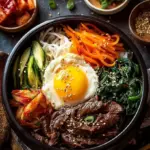
Korean Beef Bibimbap Bowl
- Total Time: 40 minutes
- Yield: 4 servings 1x
- Diet: Paleo
Description
A flavorful and comforting Korean Bibimbap Bowl filled with tender beef, fresh veggies, and rich flavors.
Ingredients
- 1 lb lean ground beef
- 2 cups short-grain white rice (cooked)
- 1 cup carrots (julienned)
- 1 cup spinach (fresh)
- 1 cup zucchini (sliced)
- 1 cup bean sprouts
- 3 tbsp gochujang sauce
- 1 tbsp sesame oil
- 2 tbsp low-sodium soy sauce
- 4 eggs
Instructions
- Cook the rice according to package instructions; set aside.
- In a skillet, brown the ground beef over medium-high heat for about 5-7 minutes, draining excess fat.
- Stir in gochujang, soy sauce, and sesame oil; simmer on low for 5 minutes.
- In a separate pan, sauté vegetables in sesame oil over medium heat until tender-crisp (about 7 minutes).
- Fry eggs sunny-side up until the whites are set but yolks are runny (about 3 minutes).
- Assemble the bowls by layering rice, beef mixture, sautéed vegetables, and topping with a fried egg.
Notes
If you’re looking for a healthier alternative, you can use ground turkey or chicken instead of beef. For a vegetarian option, marinated tofu or tempeh would be delightful.
- Prep Time: 15 minutes
- Cook Time: 25 minutes
- Category: Main Course
- Method: Cooking
- Cuisine: Korean
Nutrition
- Serving Size: 1 serving
- Calories: 450
- Sugar: 3g
- Sodium: 700mg
- Fat: 20g
- Saturated Fat: 5g
- Unsaturated Fat: 10g
- Trans Fat: 0g
- Carbohydrates: 40g
- Fiber: 4g
- Protein: 25g
- Cholesterol: 300mg
Keywords: bibimbap, korean beef, comfort food, healthy dinner, customizable recipes